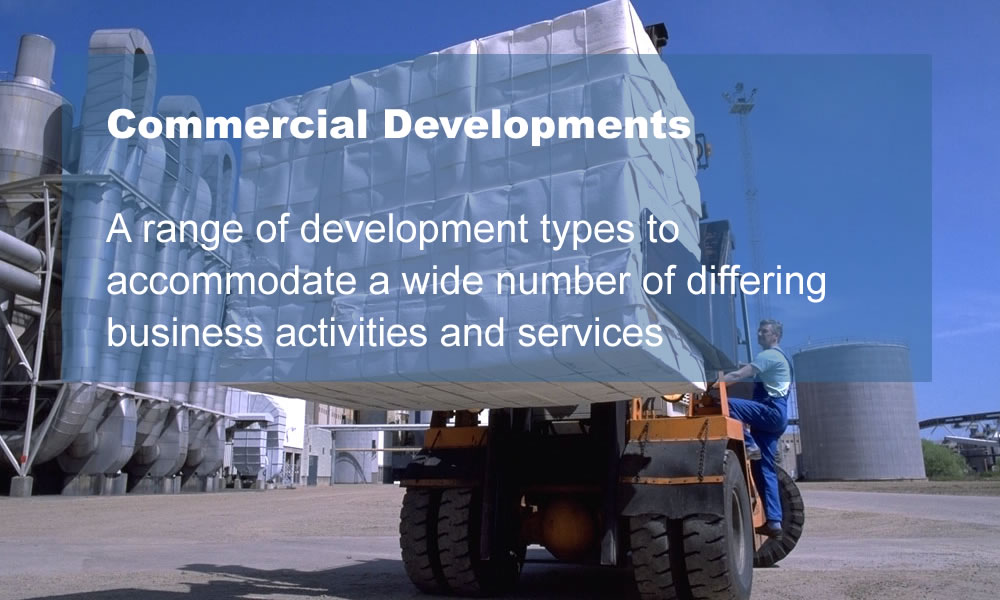
What are the types of commercial real estate development.
Commercial property development can be classified into various types based on the purpose, design, and usage of the buildings.
Below are the main types of commercial property development:
Office Buildings
Single-tenant offices:
Spaces occupied by one company or organization.
Multi-tenant office buildings: Buildings designed to accommodate multiple businesses, with common areas and shared facilities.
Class A, B, C: A classification system based on location, age, quality, and amenities.
Retail Properties
Shopping Centers and Malls:
Large complexes that house a variety of retail stores, restaurants, and entertainment venues.
Strip Malls: Smaller retail developments, usually in suburban areas, with a row of stores along a parking lot.
Standalone Retail Stores: Individual buildings leased to retailers like grocery stores, electronics, or home goods stores.
Lifestyle Centers: Open-air complexes that combine retail, dining, and entertainment options, often in upscale areas.
Industrial Properties
Warehouses:
Large storage spaces used for goods and inventory, often featuring high ceilings and loading docks.
Manufacturing Plants: Facilities designed for the production of goods and products.
Distribution Centers: Locations where goods are stored temporarily before being distributed to stores or customers.
Flex Space: A combination of office and warehouse space, often used by small to medium-sized businesses.
Hospitality and Leisure Properties
Hotels and Motels:
Properties offering lodging services, often with additional amenities like restaurants, conference rooms, and pools.
Resorts: Larger, destination properties offering extensive leisure and recreational services.
Campsites and RV Parks: Developed areas for short-term stays by campers or RV owners.
Conference Centers: Facilities designed for large gatherings, seminars, and conventions.
Mixed-Use Developments
These developments combine residential, commercial, and sometimes industrial spaces within a single project. They are designed to create self-sustained communities with a blend of housing, retail, office, and recreational facilities.
Medical and Healthcare Properties
Hospitals and Clinics:
Facilities for healthcare providers, including emergency services and specialized care.
Medical Office Buildings: Office spaces designed for medical practices, such as dentists, physiotherapists, or general practitioners.
Assisted Living and Nursing Homes: Residential facilities for seniors or people requiring additional healthcare support.
Residential-Commercial Developments
Condominiums and Apartments with Commercial Units: Residential buildings that include ground-floor or designated commercial spaces such as cafes, stores, and offices.
Urban Developments: Residential units integrated with retail and office spaces to create a vibrant community.
Special Purpose Properties
Cinemas and Theaters:
Buildings designed for entertainment purposes, often with specific acoustic and spatial features.
Sports Facilities: Stadiums, arenas, and recreational centers built for events and athletic activities.
Religious Institutions: Properties like churches, temples, and mosques designed for religious purposes.
Data Centers
These facilities are specifically designed to house large amounts of computing equipment and technology infrastructure, ensuring high security, power supply, and cooling systems.
Each type of commercial property development involves its own set of considerations, such as zoning regulations, financing methods, and market demand. Developers typically assess factors like location, potential tenant demand, and the overall economic climate before proceeding with a development project.
List Your Development or Project
Sell to investors and high net-worth-buyers searching this directory who are looking for their next property.