
Choosing a Property Developer in the USA - Research Guide
Understanding Property Developers in the United States
Choosing a property developer is an important part of researching any new development, whether exploring residential communities, condominiums, mixed use projects or commercial developments.
The United States has thousands of developers operating across different regions and sectors, ranging from large national companies delivering communities across multiple states to specialist developers focused on specific markets.
Understanding how developers operate, what they have built and where they have experience can help users make more informed decisions when researching property opportunities.
The United States Property Developers Hub provides a wider overview of the country's development landscape.
Why Research a Property Developer?
A property developer is responsible for transforming land into completed buildings and communities. Their role includes planning, design coordination, construction management and delivering projects that meet market requirements.
Researching a developer provides insight into their experience, previous projects, development approach and ability to complete projects successfully.
Different developers have different areas of expertise. Some specialise in residential communities, while others focus on luxury developments, commercial buildings, mixed use districts or large-scale master planned communities.
Understanding these differences helps identify developers with relevant experience for a particular type of project.
Review Developer Experience and History
A developer's history is one of the most important areas to research.
Established developers often have a portfolio of completed projects demonstrating their experience, design approach and ability to deliver developments across different markets.
Important areas to examine include company history, years of operation, previous developments, geographic activity and the types of projects they have completed.
A strong track record across similar projects can provide valuable context when comparing different development companies.
Examine Previous Projects
Completed developments provide an insight into how a developer approaches design, construction quality and community planning.
Researching previous projects can reveal whether a developer focuses on urban towers, suburban communities, luxury residences, commercial properties or mixed use destinations.
The location and scale of previous developments can also show whether a company has experience working within specific regions or property sectors.
Developer portfolios are an important resource when evaluating companies operating throughout the United States.
Understand Development Specialisation
Property developers often specialise in particular sectors of the real estate industry.
Residential developers create housing communities, apartment buildings and neighbourhoods, while commercial developers focus on offices, retail, industrial and business environments.
Other companies specialise in luxury residences, condominiums, resort communities or large-scale mixed use developments.
Users can explore different development sectors through the United States Developer Directory.
Research Location Experience
Local knowledge is an important consideration when researching property developers.
Developers with experience in a specific state or metropolitan area often understand local planning requirements, market conditions and community expectations.
A company active in Florida may have different expertise from a developer specialising in Colorado mountain communities or major urban developments in New York.
Regional research helps identify developers familiar with the characteristics of each market.
Consider Development Style and Approach
Every developer has a different approach to creating properties and communities.
Some focus on architectural design and luxury living, while others specialise in efficient housing delivery, sustainable communities or large-scale urban regeneration.
Understanding a developer's philosophy helps users identify companies whose projects align with their research interests.
Design approach, community planning and long-term vision all contribute to a developer's identity.
Research Transparency and Company Information
Reliable developer information should include company background, completed projects, locations of operation and areas of expertise.
Transparent developers typically provide information about their history, developments and professional partnerships.
Research should consider multiple sources of information rather than relying on a single project or marketing message.
Understanding the organisation behind a development provides important context when comparing different companies.
Compare Developers Across Different Sectors
The United States property market includes developers operating at very different scales.
Large national companies may have extensive portfolios across multiple states, while regional developers may provide specialist knowledge of specific locations.
Comparing companies by sector, location and project experience helps create a clearer picture of the development landscape.
IPD provides access to developer research across residential, commercial, luxury, mixed use and master planned development categories.
Explore United States Developers with IPD
The International Property Developers directory provides an independent resource for researching property developers throughout the United States.
Users can explore developer profiles, company categories and regional development information to better understand the organisations creating new communities and buildings across the country.
The United States Developer Profiles section provides further research into individual companies and their development activity.
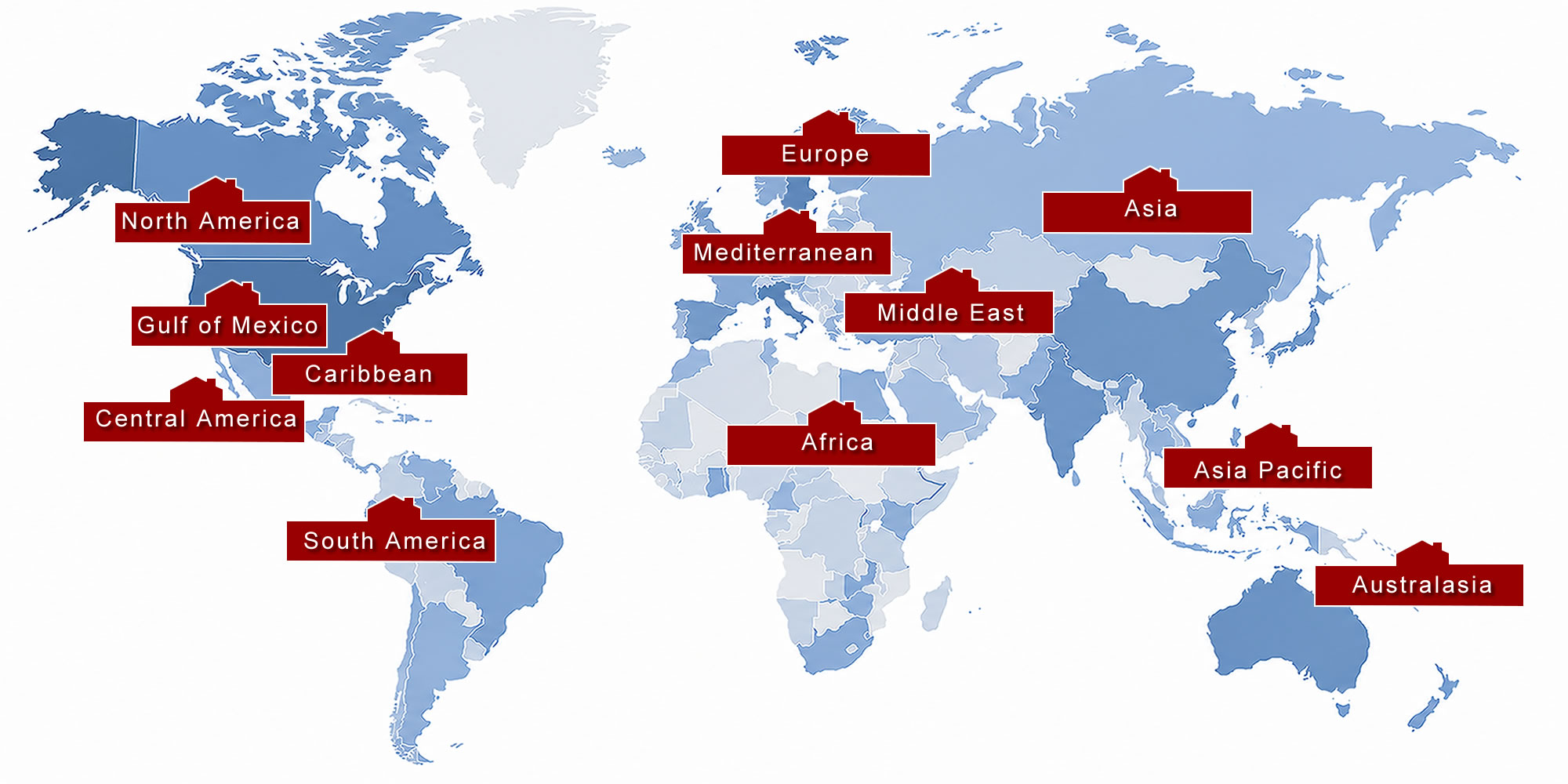

Connecting investors and high-net-worth buyers with leading global property developers since 2003. IPD provides data-driven insights, market analysis, and detailed development profiles.
© IPD - Online Since 2003
IPD - International Property Developers is an information directory operated by IPD - International Property Directory. We provide access to publicly available information about property developers, development companies, agencies, and projects worldwide. Information is compiled from public sources, company submissions, and general research. IPD does not act as a real estate agent, broker, representative, or intermediary and does not provide property, financial, or investment advice. Company names, trademarks, logos, images, and other third-party materials remain the property of their respective owners and are used for identification and informational purposes. For full details regarding information sources, content rights, limitations, and disclaimers, please see our Disclaimer.
|

