
Residential Developers - United States Housing Companies
United States Residential Developers
Residential developers are responsible for creating many of the homes and communities that shape the growth of cities, suburbs and regions across the United States.
These companies develop a wide range of residential projects including single-family communities, apartment buildings, condominiums, townhouses and large-scale neighbourhood developments.
The United States residential development sector includes national companies operating across multiple states, regional developers with deep local expertise and specialist firms focused on specific housing markets.
The United States developer directory provides access to companies involved in property development across different sectors and locations.
The Role of Residential Developers
Residential developers transform land opportunities into completed housing projects through planning, design, construction management and long-term development strategies.
Their responsibilities often include identifying suitable locations, managing planning approvals, coordinating architects and contractors, and delivering communities designed around market demand.
Residential developers influence not only the buildings they create but also the wider communities that grow around them.
Large residential projects can include supporting infrastructure such as roads, parks, recreational facilities, schools and retail areas.
Types of Residential Development Companies
Residential developers in the United States operate across many different segments of the housing market.
Some companies specialise in large-scale suburban communities, creating hundreds or thousands of homes within planned neighbourhoods.
Others focus on urban residential development, including apartment buildings and condominium projects in major cities where demand for high-density housing continues to grow.
Specialist residential developers may concentrate on luxury homes, retirement communities, affordable housing, sustainable developments or lifestyle-focused projects.
Understanding these differences helps users identify developers based on their experience and development approach.
Master Planned Residential Communities
Master planned communities are one of the most significant areas of residential development in the United States.
These developments are designed over many years and often include residential neighbourhoods alongside parks, schools, shopping areas and community facilities.
Master planned developers take a long-term approach, considering how communities will function as they expand and mature.
The success of these developments depends on careful planning, infrastructure coordination and creating environments that support residents over time.
Explore related companies through United States master planned community developers.
Apartment and Condominium Developers
Apartment and condominium developers play an important role in meeting housing demand within major metropolitan areas.
High-density residential projects allow cities to increase housing supply while making efficient use of available land.
Developers in this sector create residential towers, apartment communities and condominium developments designed around urban lifestyles.
Modern projects often include amenities such as shared spaces, fitness facilities, outdoor areas and technology features designed to support residents.
Further research can be explored through United States condominium developers.
Regional Residential Development Markets
Residential development activity differs significantly between regions due to population trends, land availability, employment growth and local housing demand.
Florida has become one of the most active residential development markets in the United States, with developers creating coastal communities, suburban neighbourhoods, condominiums and lifestyle developments.
Texas continues to experience significant residential expansion as metropolitan areas attract new residents and businesses.
Arizona and Nevada have also seen strong residential activity, with developers creating new communities in growing population centres.
North Carolina and Colorado represent important emerging markets where developers are responding to population growth and changing housing needs.
Regional developer activity can be explored through IPD locations including Florida developers, Texas developers and Colorado developers.
Luxury Residential Developers
Luxury residential developers create premium housing projects focused on location, architecture, design and lifestyle features.
These developers often operate in high-demand markets including Miami, New York, Los Angeles, coastal California and exclusive resort destinations.
Luxury residential projects may include waterfront homes, private communities, high-rise condominiums and branded residences.
The luxury developers directory provides information on companies creating premium residential projects.
Sustainable Residential Development
Residential developers are increasingly incorporating sustainable design principles into new housing projects.
Energy-efficient buildings, environmentally responsible materials, green spaces and improved community planning are becoming important considerations in modern residential development.
Sustainable residential communities aim to provide long-term benefits for residents while responding to changing expectations around environmental responsibility.
The growth of sustainable development reflects broader changes in how residential projects are planned and delivered.
How to Research Residential Developers
Researching a residential developer involves understanding the company's history, completed projects, geographic focus and areas of expertise.
Important factors include previous communities created, development scale, project locations and the types of housing the company specialises in.
A developer focused on large suburban communities will have a different profile from a company specialising in luxury urban condominiums.
Users can explore individual companies through United States developer profiles.
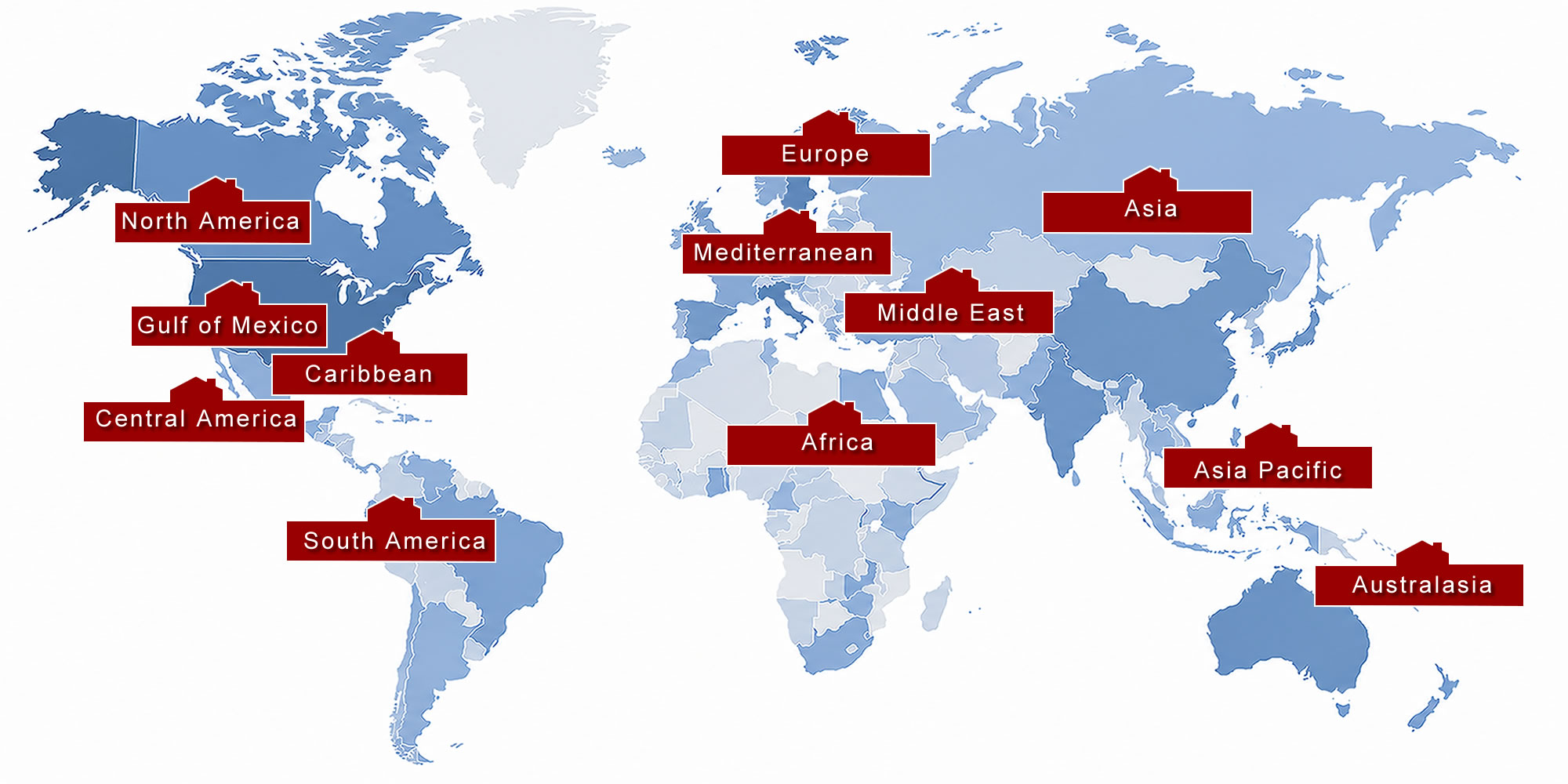

Connecting investors and high-net-worth buyers with leading global property developers since 2003. IPD provides data-driven insights, market analysis, and detailed development profiles.
© IPD - Online Since 2003
IPD - International Property Developers is an information directory operated by IPD - International Property Directory. We provide access to publicly available information about property developers, development companies, agencies, and projects worldwide. Information is compiled from public sources, company submissions, and general research. IPD does not act as a real estate agent, broker, representative, or intermediary and does not provide property, financial, or investment advice. Company names, trademarks, logos, images, and other third-party materials remain the property of their respective owners and are used for identification and informational purposes. For full details regarding information sources, content rights, limitations, and disclaimers, please see our Disclaimer.
|

