
US Development Market - Property Development Overview
United States Property Development Market Overview
The United States development market is one of the largest and most diverse property markets in the world, supported by a large population, major metropolitan economies, extensive infrastructure networks and continuous demand for new residential and commercial space.
Property development activity takes place across every major region of the country, with developers responding to changing demographics, employment patterns, housing demand, business expansion and evolving expectations for how communities are designed.
The market includes a wide range of development sectors including residential communities, apartment buildings, condominiums, office districts, retail destinations, industrial facilities, hospitality projects and mixed-use neighbourhoods.
The United States development market is shaped by both established metropolitan areas and rapidly growing regions where new communities and infrastructure are being created.
The United States property developers hub provides an overview of the companies, sectors and locations influencing development activity across the country.
Major United States Property Developers
The United States has one of the world's largest and most diverse real estate development markets. Leading developers operate across residential communities, condominiums, mixed-use projects, commercial assets, and large-scale master-planned communities.
| Developer | Main Sector | Key Regions |
|---|---|---|
| Lennar | Residential Communities, Single-Family Homes, Multifamily | Nationwide USA |
| D.R. Horton | Single-Family Residential Development | Major Markets Across USA |
| PulteGroup | Residential Communities, Active Adult Housing | USA Sun Belt, Southeast, Southwest |
| Toll Brothers | Luxury Homes, Residential Communities | USA Luxury Markets |
| Related Companies | Luxury Residential, Mixed-Use, Urban Development | New York, Florida, California, Major Cities |
| Brookfield Properties | Commercial, Mixed-Use, Residential | North America / Major US Cities |
| Hines | Commercial Real Estate, Residential, Mixed-Use | Global / Major US Metropolitan Areas |
| Sekisui House | Residential Communities, Housing Development | United States Growth Markets |
| American Homes 4 Rent | Build-to-Rent Communities | Sun Belt States |
| Greystar | Multifamily Apartments, Rental Communities | Nationwide USA |
Major Forces Driving US Development Activity
Property development in the United States is influenced by several long-term trends including population movement, urbanisation, economic growth, housing demand and changing lifestyle preferences.
One of the most significant influences is population migration between states. Many regions, particularly in the Sun Belt, have experienced increased demand for housing, commercial space and supporting infrastructure.
States including Florida, Texas, Arizona, North Carolina and Nevada have attracted substantial development activity due to population growth, business expansion and demand for new communities.
At the same time, established markets such as New York, California and major urban centres continue to experience redevelopment, high-density construction and regeneration projects.
Residential Development Market
Residential development remains one of the largest components of the United States property market. Developers are creating housing across a wide range of formats including single-family homes, townhouses, apartments and condominium communities.
Demand varies significantly between regions. Growing metropolitan areas require new housing supply to accommodate population increases, while established cities often focus on redevelopment, urban infill and higher-density residential projects.
Large-scale residential communities continue to expand in suburban and emerging markets, often incorporating parks, schools, retail areas and community facilities.
Urban residential development is also changing as more projects combine housing with amenities, shared spaces and convenient access to employment and services.
Further research into this sector can be found through United States residential development.
Commercial Development Market
Commercial development continues to play an important role in supporting economic activity throughout the United States. Developers create offices, retail centres, industrial facilities, logistics spaces and specialised commercial environments.
The commercial sector is evolving as businesses adapt to changing workplace requirements, technology improvements and new expectations around flexibility and connectivity.
Major cities continue to invest in business districts, while growing regions are seeing new commercial centres created alongside residential expansion.
Industrial and logistics development has become increasingly important due to changes in supply chains, online commerce and demand for strategically located facilities.
The United States commercial development sector provides further insight into how developers are creating business environments across the country.
Growth of Mixed-Use Development
Mixed-use development has become an increasingly important part of the United States development landscape. These projects combine multiple property uses within connected environments, often including residential, commercial, retail, hospitality and public spaces.
Developers are increasingly focused on creating communities where people can live, work, shop and access services within the same area.
Major urban redevelopment projects frequently use mixed-use principles to transform former industrial areas, unused land or underdeveloped districts into active destinations.
The growth of mixed-use development reflects broader changes in planning approaches, with greater emphasis on walkability, accessibility and community experience.
Explore more through the United States mixed-use development research section.
Regional Development Markets Across the United States
The United States does not operate as a single property market. Each region has unique development conditions influenced by population trends, land availability, economic activity and local planning policies.
Florida has become one of the most active development markets, with strong activity across residential, luxury, condominium and resort sectors. Coastal locations and growing cities continue to attract developers creating new communities and lifestyle developments.
Texas has experienced significant expansion driven by major employment centres, population growth and business investment. Cities including Dallas, Austin, Houston and San Antonio continue to attract residential and commercial development.
California remains a major development market with activity focused on urban housing, technology-related growth areas, mixed-use projects and redevelopment within established cities.
The Southeast, Mountain West and Southwest regions are also experiencing increasing development activity as businesses and residents move towards expanding metropolitan areas.
Urban Development and City Growth
Major cities across the United States continue to evolve through redevelopment, infrastructure improvements and new construction projects.
Urban developers are creating higher-density communities designed around changing lifestyles, including apartment buildings, condominiums, office environments and mixed-use districts.
Many cities are focusing on revitalising underused areas by encouraging new investment, improved public spaces and better connections between residential and commercial areas.
Urban development requires collaboration between developers, planners, architects, investors and local authorities to create projects that support long-term growth.
Future Trends in United States Development
The future of the United States development market will continue to be influenced by demographic changes, sustainability requirements, technology and evolving expectations about how people use buildings and communities.
Developers are increasingly incorporating energy-efficient design, smarter infrastructure and environmentally responsible planning into new projects.
Demand for flexible living and working environments is also influencing development strategies, particularly in major metropolitan areas.
Master-planned communities, mixed-use developments and carefully designed urban neighbourhoods are expected to remain important areas of growth.
Research the United States Development Market with IPD
The International Property Developers directory provides a structured research platform for understanding property development activity across global markets.
The United States development market section connects users with information about development sectors, locations and companies creating projects throughout the country.
By exploring market trends, developer categories and regional activity, users can gain a clearer understanding of how the United States built environment continues to evolve.
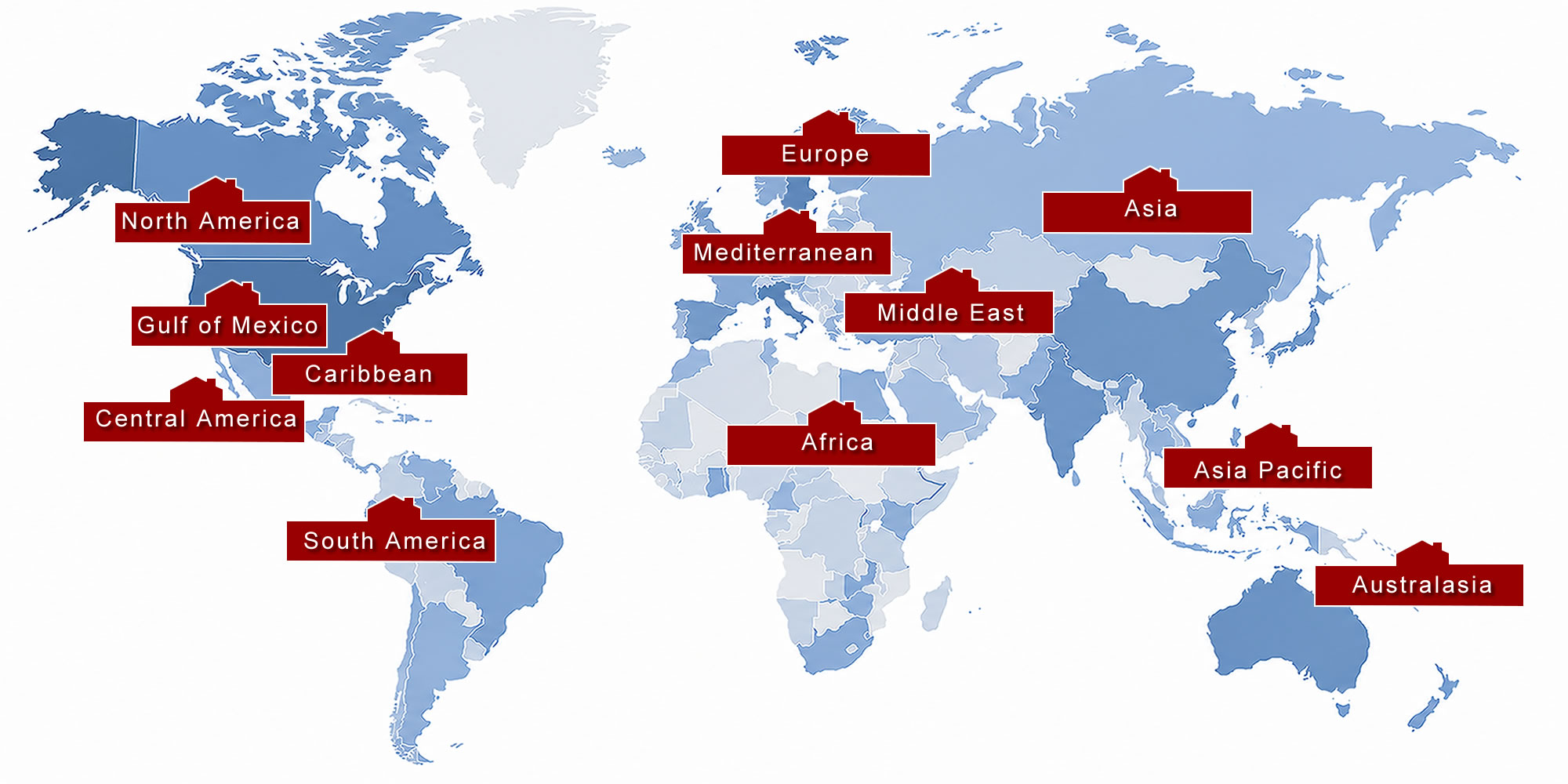

Connecting investors and high-net-worth buyers with leading global property developers since 2003. IPD provides data-driven insights, market analysis, and detailed development profiles.
© IPD - Online Since 2003
IPD - International Property Developers is an information directory operated by IPD - International Property Directory. We provide access to publicly available information about property developers, development companies, agencies, and projects worldwide. Information is compiled from public sources, company submissions, and general research. IPD does not act as a real estate agent, broker, representative, or intermediary and does not provide property, financial, or investment advice. Company names, trademarks, logos, images, and other third-party materials remain the property of their respective owners and are used for identification and informational purposes. For full details regarding information sources, content rights, limitations, and disclaimers, please see our Disclaimer.
|

